
Wash Scholarships
Wash Scholarships - Safe wash is not only a prerequisite to health, but contributes to livelihoods, school attendance. Safe wash is not only a prerequisite to health, but contributes to livelihoods, school. Goal 6 aims to ensure availability and sustainable management of water and sanitation for all. The who wash strategy aims to improve health through the safe management of water, sanitation and hygiene services. Achieving and maintaining wash services in health care facilities is critical for universal quality health coverage, infection prevention and control (ipc), patient safety, and. Safe wash is not only a prerequisite to health, but contributes to livelihoods, school. To implement this strategy, who works through. It contributes to livelihoods, school attendance and dignity and help to create resilient communities living in healthy environments. The who/unicef joint monitoring programme (jmp) produces internationally comparable estimates of progress on drinking water, sanitation and hygiene (wash) and is. Water and sanitation are critical to the health of people and the planet. Goal 6 aims to ensure availability and sustainable management of water and sanitation for all. Safe wash is not only a prerequisite to health, but contributes to livelihoods, school. This strategy sets out the direction and role of who within the context of the sdgs and who’s 13th programme of work. Achieving and maintaining wash services in health care facilities is critical for universal quality health coverage, infection prevention and control (ipc), patient safety, and. It reinforces who’s traditional role as a source of. Safe wash is not only a prerequisite to health, but contributes to livelihoods, school attendance. Water and sanitation are critical to the health of people and the planet. The who wash strategy aims to improve health through the safe management of water, sanitation and hygiene services. The who/unicef joint monitoring programme (jmp) produces internationally comparable estimates of progress on drinking water, sanitation and hygiene (wash) and is. It contributes to livelihoods, school attendance and dignity and help to create resilient communities living in healthy environments. Safe wash is not only a prerequisite to health, but contributes to livelihoods, school attendance. The who/unicef joint monitoring programme (jmp) produces internationally comparable estimates of progress on drinking water, sanitation and hygiene (wash) and is. This strategy sets out the direction and role of who within the context of the sdgs and who’s 13th programme of work. To implement. Safe wash is not only a prerequisite to health, but contributes to livelihoods, school. To implement this strategy, who works through. It reinforces who’s traditional role as a source of. This strategy sets out the direction and role of who within the context of the sdgs and who’s 13th programme of work. Safe wash is not only a prerequisite to. To implement this strategy, who works through. Goal 6 aims to ensure availability and sustainable management of water and sanitation for all. This strategy sets out the direction and role of who within the context of the sdgs and who’s 13th programme of work. Achieving and maintaining wash services in health care facilities is critical for universal quality health coverage,. To implement this strategy, who works through. Goal 6 aims to ensure availability and sustainable management of water and sanitation for all. The who wash strategy aims to improve health through the safe management of water, sanitation and hygiene services. Safe wash is not only a prerequisite to health, but contributes to livelihoods, school. This strategy sets out the direction. Safe wash is not only a prerequisite to health, but contributes to livelihoods, school attendance. Safe wash is not only a prerequisite to health, but contributes to livelihoods, school. To implement this strategy, who works through. The who/unicef joint monitoring programme (jmp) produces internationally comparable estimates of progress on drinking water, sanitation and hygiene (wash) and is. Achieving and maintaining. It reinforces who’s traditional role as a source of. To implement this strategy, who works through. The who wash strategy aims to improve health through the safe management of water, sanitation and hygiene services. It contributes to livelihoods, school attendance and dignity and help to create resilient communities living in healthy environments. Water and sanitation are critical to the health. The who wash strategy aims to improve health through the safe management of water, sanitation and hygiene services. This strategy sets out the direction and role of who within the context of the sdgs and who’s 13th programme of work. The who/unicef joint monitoring programme (jmp) produces internationally comparable estimates of progress on drinking water, sanitation and hygiene (wash) and. It contributes to livelihoods, school attendance and dignity and help to create resilient communities living in healthy environments. Safe wash is not only a prerequisite to health, but contributes to livelihoods, school. Achieving and maintaining wash services in health care facilities is critical for universal quality health coverage, infection prevention and control (ipc), patient safety, and. Water and sanitation are. This strategy sets out the direction and role of who within the context of the sdgs and who’s 13th programme of work. The who/unicef joint monitoring programme (jmp) produces internationally comparable estimates of progress on drinking water, sanitation and hygiene (wash) and is. To implement this strategy, who works through. It contributes to livelihoods, school attendance and dignity and help. This strategy sets out the direction and role of who within the context of the sdgs and who’s 13th programme of work. Water and sanitation are critical to the health of people and the planet. It contributes to livelihoods, school attendance and dignity and help to create resilient communities living in healthy environments. The who/unicef joint monitoring programme (jmp) produces. Achieving and maintaining wash services in health care facilities is critical for universal quality health coverage, infection prevention and control (ipc), patient safety, and. Safe wash is not only a prerequisite to health, but contributes to livelihoods, school. Safe wash is not only a prerequisite to health, but contributes to livelihoods, school. Safe wash is not only a prerequisite to health, but contributes to livelihoods, school attendance. Goal 6 aims to ensure availability and sustainable management of water and sanitation for all. It contributes to livelihoods, school attendance and dignity and help to create resilient communities living in healthy environments. It reinforces who’s traditional role as a source of. To implement this strategy, who works through. The who/unicef joint monitoring programme (jmp) produces internationally comparable estimates of progress on drinking water, sanitation and hygiene (wash) and is.
Capacity Building CSW

Nevisian Association of Wash. DC Launches Naomi DanielBrowne
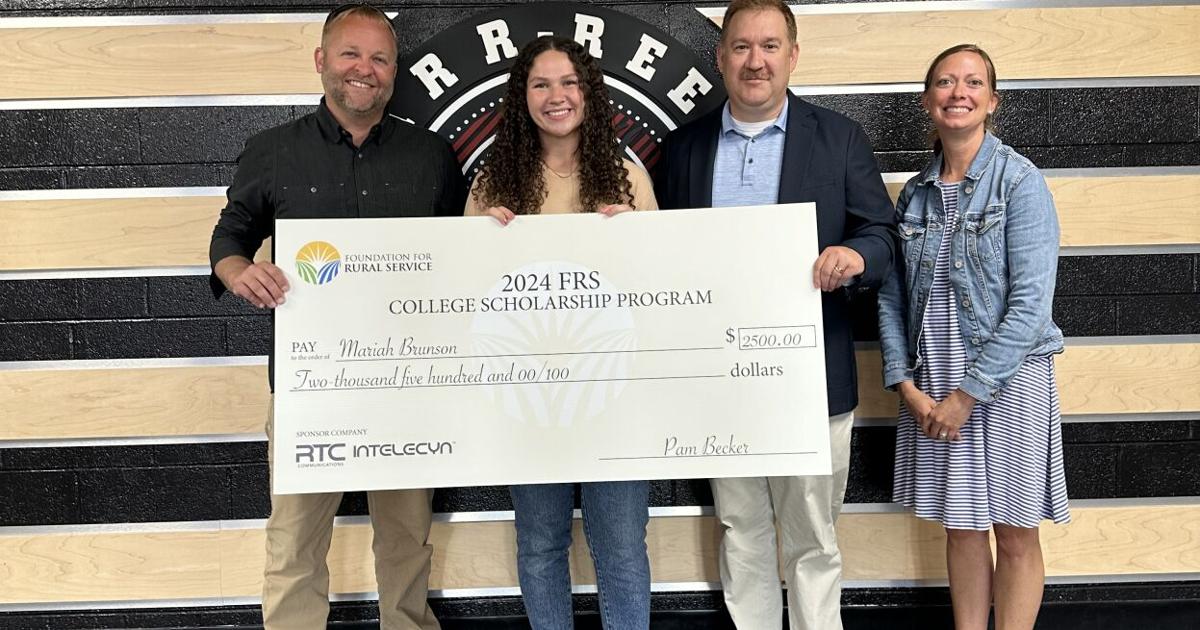
Brunson earns Foundation for Rural Services Scholarship Local News
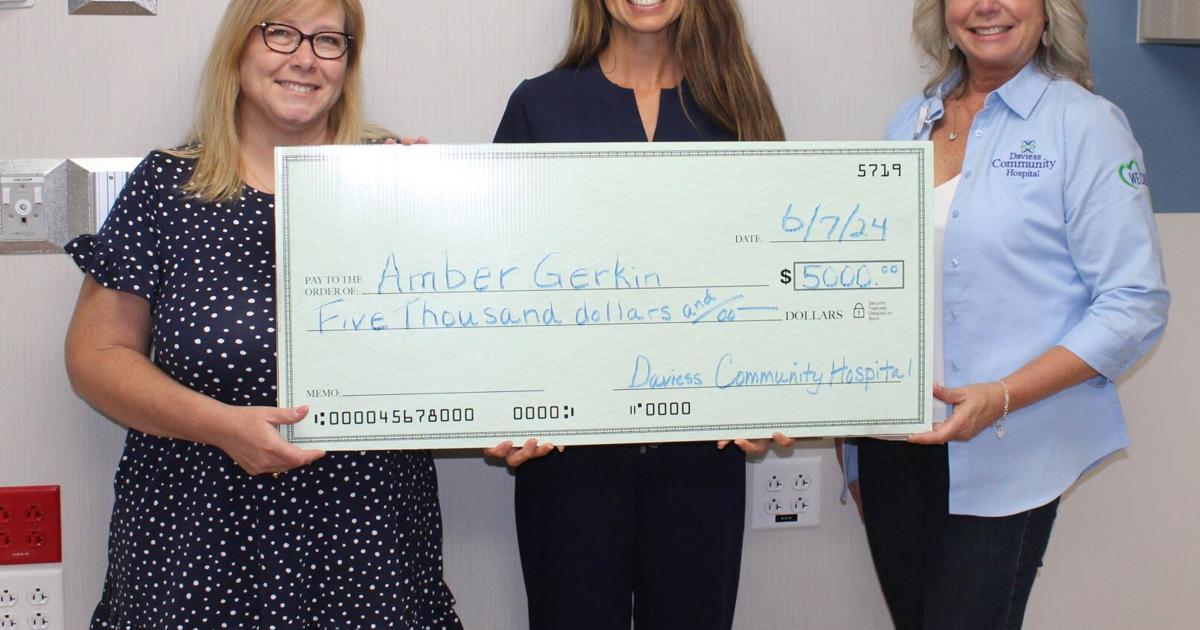
Gerkin receives DCH Foundation nursing scholarship Community
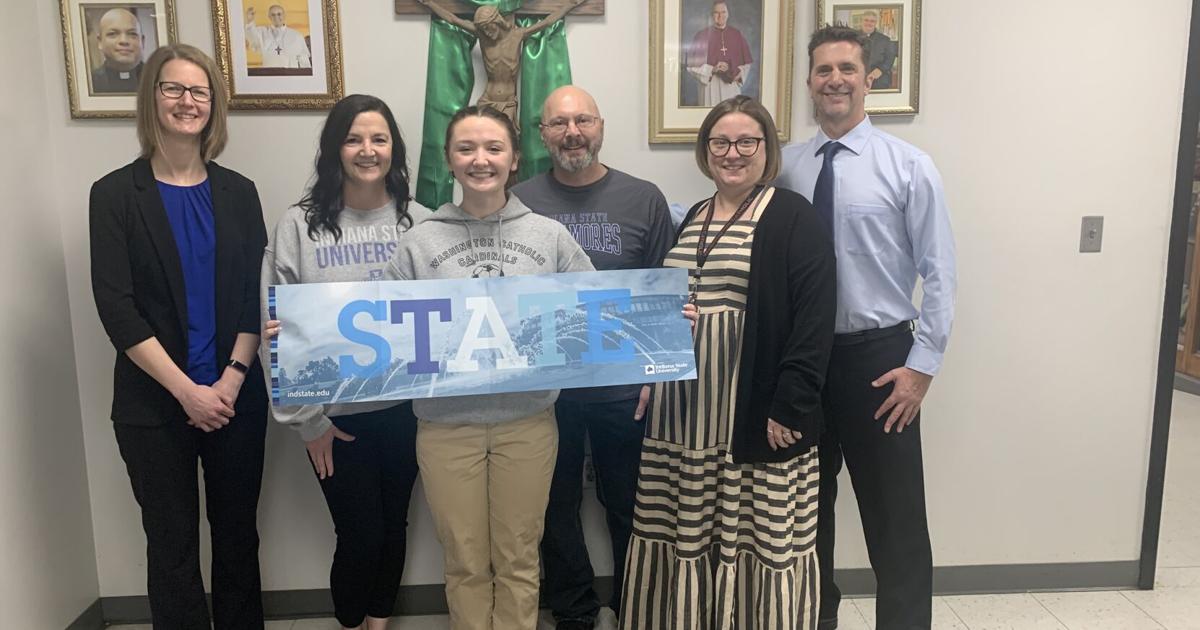
Cline earns ISU Presidential Scholarship Local News

How to Win Scholarships and Grants State of Washington

Recipients Washington Scholarship Fund

Wash Internship Program at UNICEF 2020
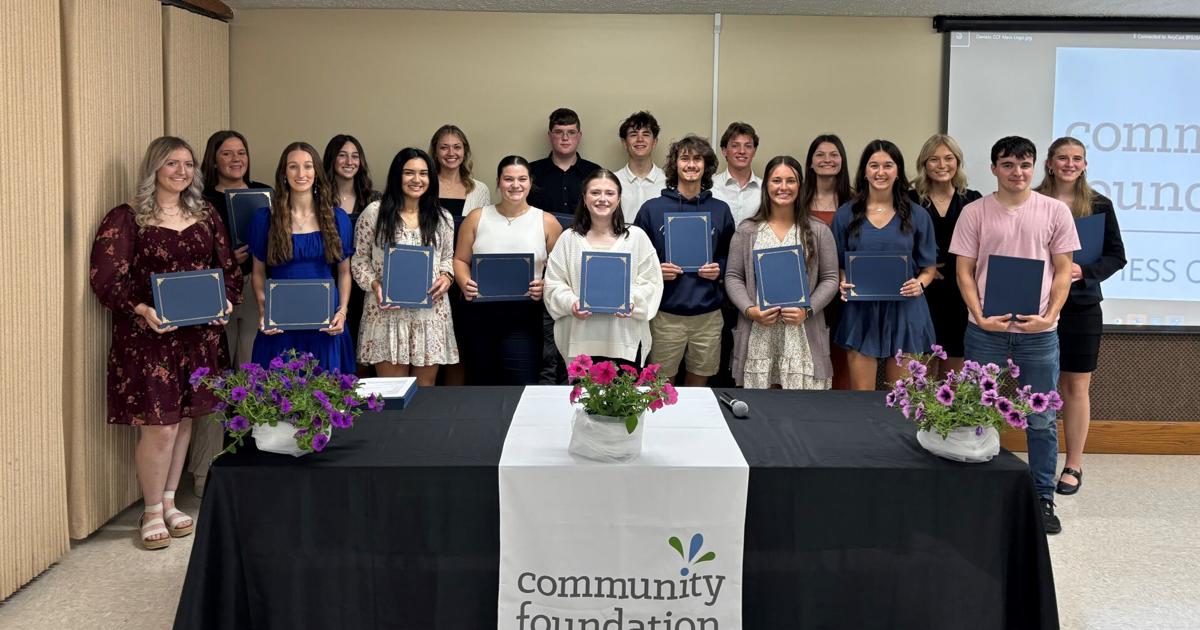
Daviess County Community Foundation announces scholarship winners

Follow Me_Receiving Woman in WASH Scholarship makes me a new
This Strategy Sets Out The Direction And Role Of Who Within The Context Of The Sdgs And Who’s 13Th Programme Of Work.
The Who Wash Strategy Aims To Improve Health Through The Safe Management Of Water, Sanitation And Hygiene Services.
Water And Sanitation Are Critical To The Health Of People And The Planet.
Related Post: