
Ashe Scholarship
Ashe Scholarship - I read an english grammar article in which the author talked about the correct use of pronouns. Geoffrey ashe was one of the first to make such an emphasis; I give you the context :"the rest of the day. There is a word i can't understand "tap off". I just finished my homework. I, she and he are subjective pronouns. I have just finished my homework. Peter was aware of the problem, as was she / as she was. I'm reading a book "pretty pretty boys" His various essays from the 1950's are still readable, though somewhat dated, as, to a greater extent, are those. I just finished my homework. I, she and he are subjective pronouns. I'm reading a book "pretty pretty boys" His various essays from the 1950's are still readable, though somewhat dated, as, to a greater extent, are those. I have just finished my homework. You use these when they are the subject of the sentence or the 'doer' of the action. Could anyone tell me the difference in meaning sentence 1 and. Peter was aware of the problem, as was she / as she was. I think there must be a difference in meaning. I'd like to know whether as was she is correct in the following: Geoffrey ashe was one of the first to make such an emphasis; Peter was aware of the problem, as was she / as she was. I'm reading a book "pretty pretty boys" I read an english grammar article in which the author talked about the correct use of pronouns. His various essays from the 1950's are still readable, though somewhat. Me, her and him are objective, used when they are the. I'd like to know whether as was she is correct in the following: I read an english grammar article in which the author talked about the correct use of pronouns. His various essays from the 1950's are still readable, though somewhat dated, as, to a greater extent, are those.. His various essays from the 1950's are still readable, though somewhat dated, as, to a greater extent, are those. Could anyone tell me the difference in meaning sentence 1 and. I read an english grammar article in which the author talked about the correct use of pronouns. If the extended sentence is “she’s more likely to ask him than i. There is a word i can't understand "tap off". His various essays from the 1950's are still readable, though somewhat dated, as, to a greater extent, are those. You use these when they are the subject of the sentence or the 'doer' of the action. I'm reading a book "pretty pretty boys" I'd like to know whether as was she. I have just finished my homework. I'm reading a book "pretty pretty boys" I read an english grammar article in which the author talked about the correct use of pronouns. I think there must be a difference in meaning. His various essays from the 1950's are still readable, though somewhat dated, as, to a greater extent, are those. I just finished my homework. I'm reading a book "pretty pretty boys" You use these when they are the subject of the sentence or the 'doer' of the action. I give you the context :"the rest of the day. I have just finished my homework. There is a word i can't understand "tap off". I think there must be a difference in meaning. I'd like to know whether as was she is correct in the following: If the extended sentence is “she’s more likely to ask him than i am,” in which the comp. His various essays from the 1950's are still readable, though somewhat. I give you the context :"the rest of the day. I, she and he are subjective pronouns. If the extended sentence is “she’s more likely to ask him than i am,” in which the comp. I'm reading a book "pretty pretty boys" I have just finished my homework. I'd like to know whether as was she is correct in the following: His various essays from the 1950's are still readable, though somewhat dated, as, to a greater extent, are those. If the extended sentence is “she’s more likely to ask him than i am,” in which the comp. Geoffrey ashe was one of the first to make such. I read an english grammar article in which the author talked about the correct use of pronouns. I, she and he are subjective pronouns. You use these when they are the subject of the sentence or the 'doer' of the action. Geoffrey ashe was one of the first to make such an emphasis; If the extended sentence is “she’s more. You use these when they are the subject of the sentence or the 'doer' of the action. Me, her and him are objective, used when they are the. Could anyone tell me the difference in meaning sentence 1 and. Peter was aware of the problem, as was she / as she was. If the extended sentence is “she’s more likely to ask him than i am,” in which the comp. I read an english grammar article in which the author talked about the correct use of pronouns. His various essays from the 1950's are still readable, though somewhat dated, as, to a greater extent, are those. I just finished my homework. I give you the context :"the rest of the day. I'd like to know whether as was she is correct in the following: I have just finished my homework. There is a word i can't understand "tap off".
2024 Gala ASHE Houston

ASHE Pittsburgh Scholarship Motorcycle Ride ASHE Pittsburgh
What an incredible night at the 2nd Annual ASHE Houston Awards
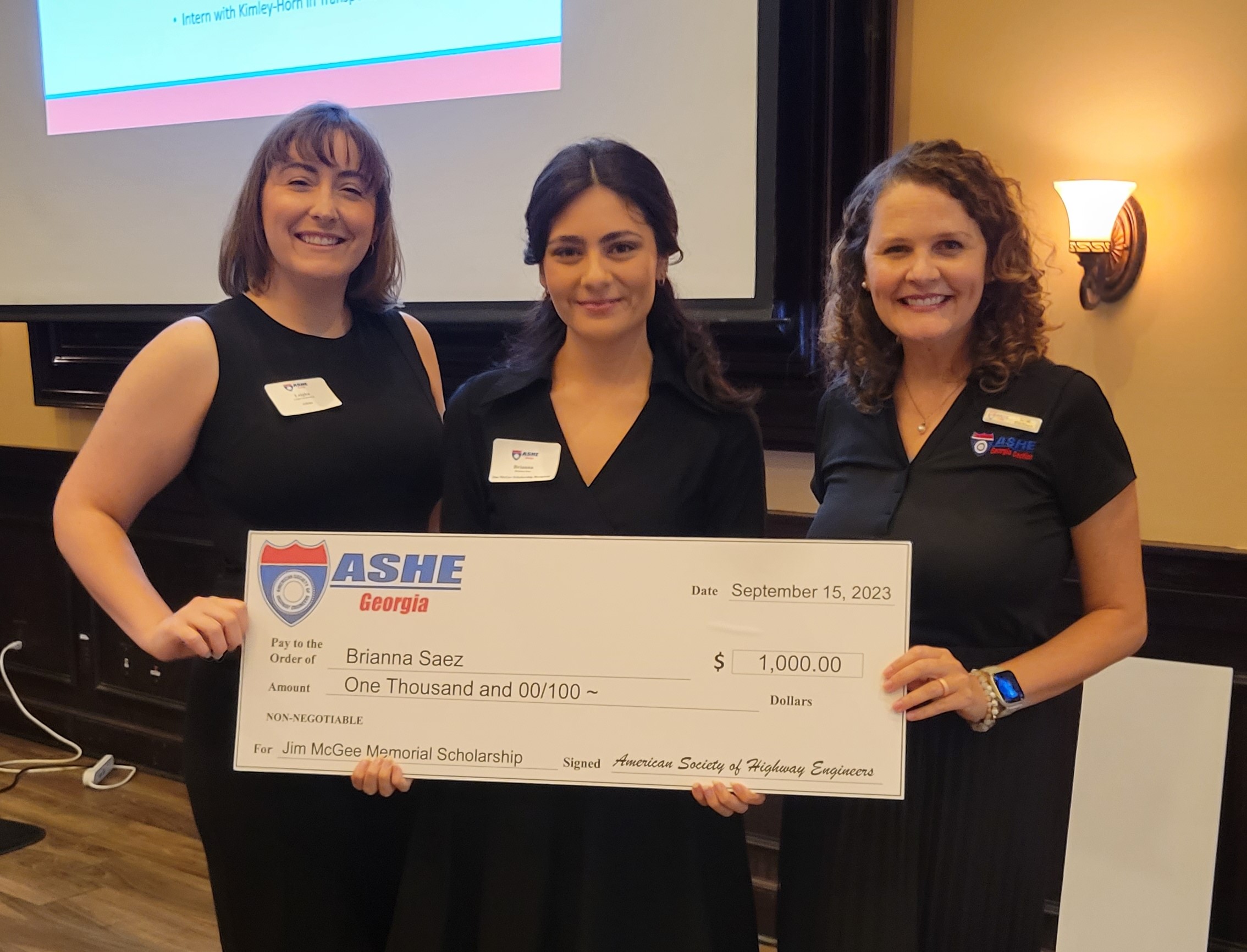
Scholarship ASHE Section
Follow this link for more information on ASHE Chesapeake's fantastic
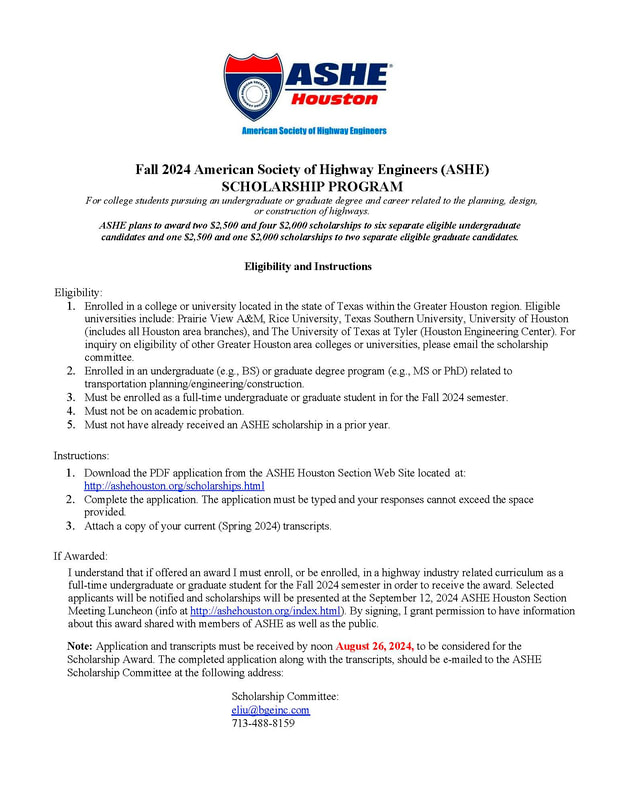
Scholarships ASHE Houston
Fall 2024 ASHE Circle City Scholarship Program Applications Due
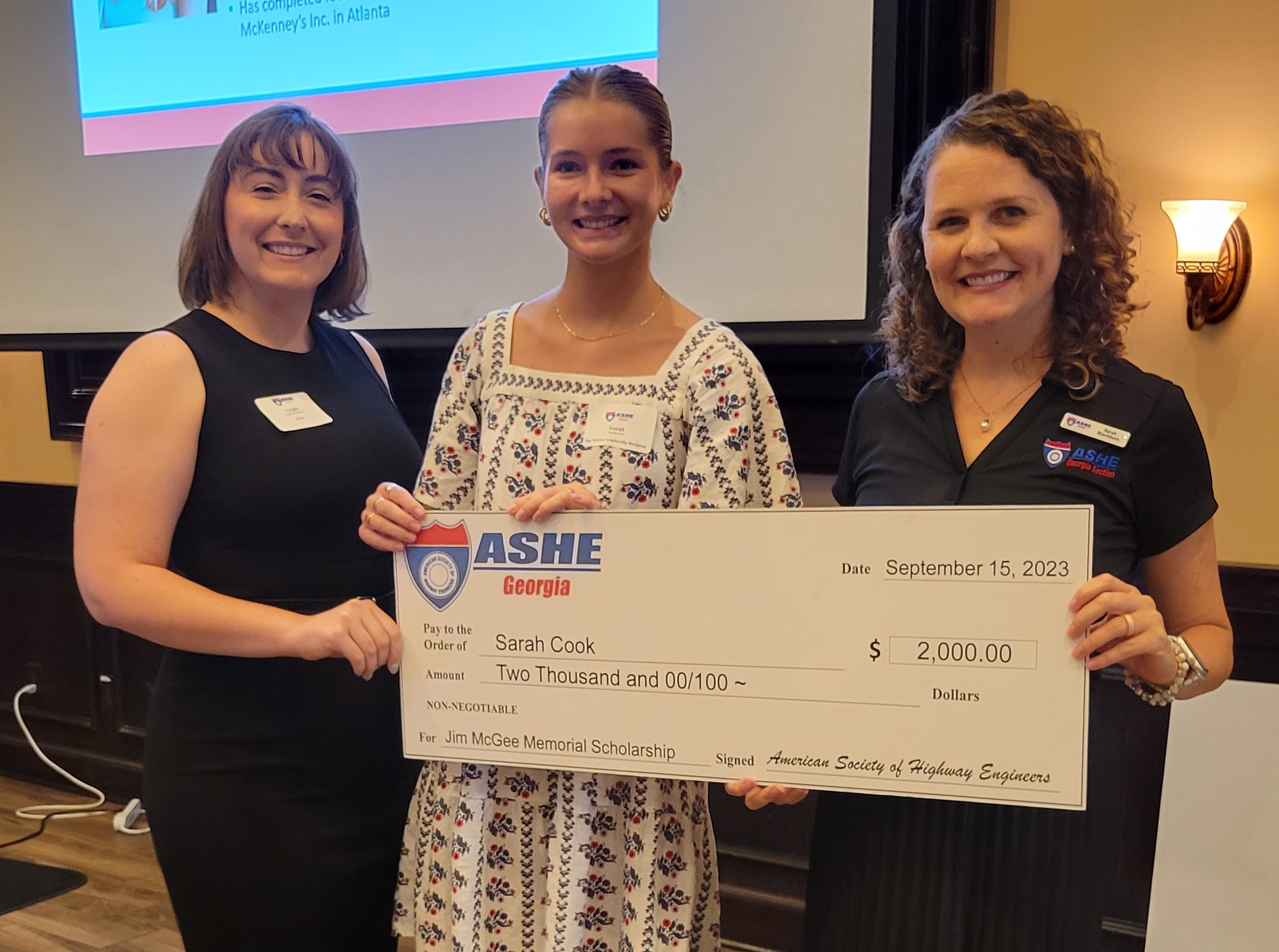
Scholarship ASHE Section
Thank you to all who attended our 2025 ASHE Houston Awards

Ashe students awarded scholarships from Blue Ridge Energy Ashe Post
I Think There Must Be A Difference In Meaning.
Geoffrey Ashe Was One Of The First To Make Such An Emphasis;
I'm Reading A Book &Quot;Pretty Pretty Boys&Quot;
I, She And He Are Subjective Pronouns.
Related Post:


